Worth Every Penny: The Real Reason Fans Are Dropping $200 on a Night of Words
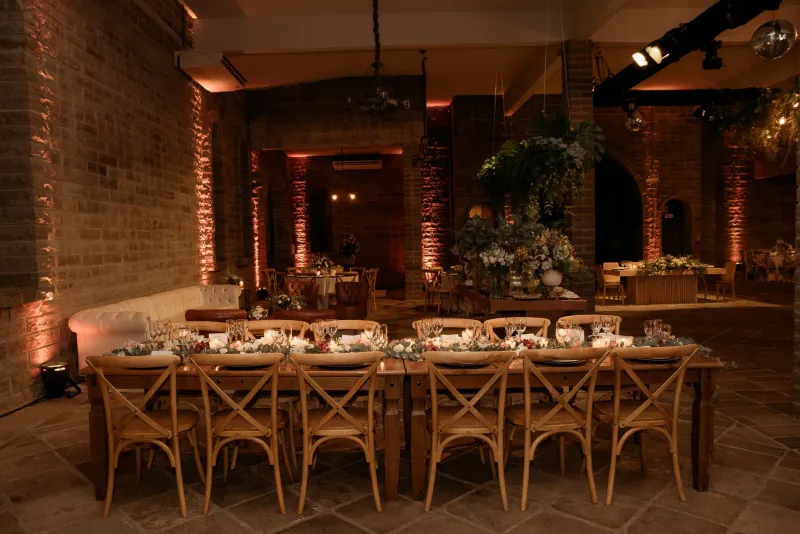
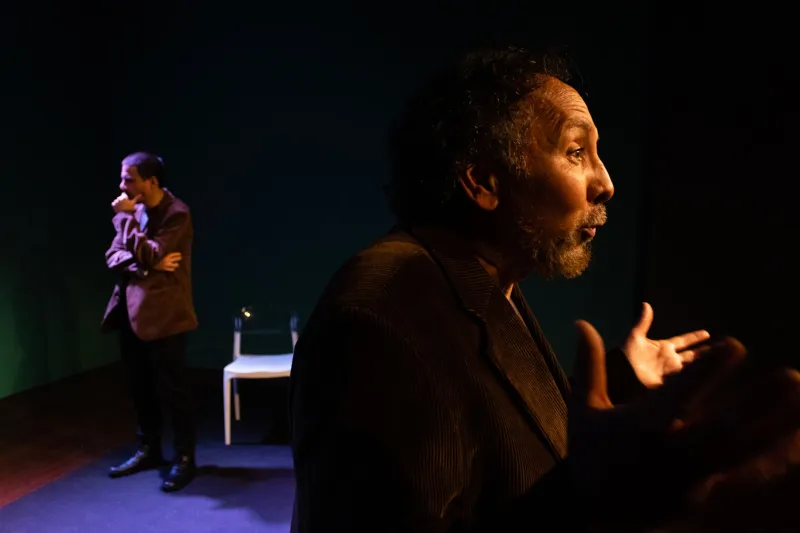
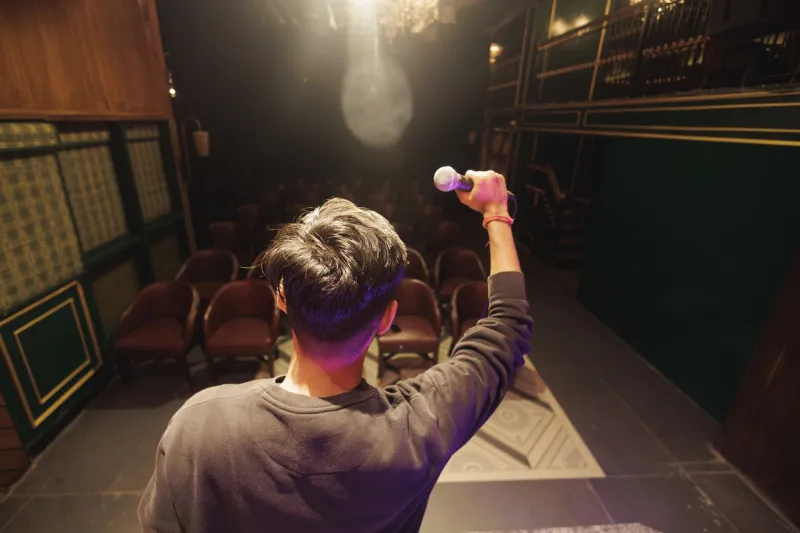
Let's set the scene. It's a Tuesday night in a converted warehouse in Brooklyn. There are maybe 80 seats — velvet, naturally — arranged in a horseshoe around a single lit stage. A bartender is muddling something expensive. And every single person in the room paid $195 for the privilege of being there. Not for a rock band. Not for a comedian with a Netflix special. For a poet.
If that surprises you, you haven't been paying attention.
Live literary entertainment has quietly entered its luxury era, and the ticket prices are keeping up. Across major US cities — New York, LA, Chicago, Austin, Atlanta — intimate author events, immersive spoken word experiences, and curated storytelling nights are commanding prices that would've seemed absurd five years ago. And audiences aren't just tolerating it. They're buying in early, upgrading to VIP tiers, and coming back for more.
So what's actually going on here?
The Scarcity Principle, Dressed in Sequins
Ask any event promoter running a premium literary night and they'll tell you the same thing: small is the new big. Capacity is a feature, not a limitation.
"When I capped our quarterly author series at 75 seats, I expected pushback," says Maya Okonkwo, who produces The Annotated Evening, a high-end lit event series in Chicago. "Instead, tickets sold out in under two hours. People weren't just buying a show — they were buying access to something most people couldn't get into."
This is the scarcity principle doing exactly what economists say it does. When supply is deliberately constrained and the product has genuine cultural cachet, perceived value shoots up. And in a world where almost everything — music, film, books — is available on demand and essentially infinite, a room with 75 seats feels almost radical.
Consumer psychologists have a term for this: the velvet rope effect. The harder something is to get into, the more desirable it becomes. Literary events have figured out how to weaponize that instinct, and honestly? Good for them.
What $200 Actually Buys (Hint: It's Not Just a Chair)
Here's the thing about premium literary ticketing — the price isn't really for the performance. Or rather, it's not only for the performance. What audiences are paying for is an entire architecture of experience designed to make them feel seen, special, and close to something real.
At the higher end of the market, a $200 ticket might include a pre-show cocktail hour with the featured author, a signed first edition tucked under your seat, a printed program that's genuinely beautiful enough to frame, and an intimate Q&A that goes places a 500-person auditorium never could. Some events are adding curated playlists, custom scent diffusers, and even post-show writing workshops led by the headliner.
"We think of it like a tasting menu," explains Jordan Reyes, who runs Lit & Liquor, a spoken word dinner series operating in Los Angeles and San Francisco. "Every element is intentional. The lighting, the pacing, the way the bar program echoes the themes of the evening. People aren't paying for a poem. They're paying for a complete sensory experience they can't replicate anywhere else."
This is luxury logic applied to literature, and it's working because the audience for it has genuinely shifted. Millennials and older Gen Z consumers — now in their prime earning years — have grown up spending money on experiences over objects. They've been to immersive art installations, they've done the escape rooms, they've paid $180 for a farm-to-table dinner in a barn. A beautifully produced literary evening fits neatly into that spending vocabulary.
The Parasocial Flip: From Fan to Guest
There's another force driving premium pricing that doesn't show up in economics textbooks: the parasocial relationship, cracked open and made physical.
For fans who've followed an author on Instagram for three years, who've listened to their podcast, who've dog-eared their debut collection — a $200 ticket to sit in a room of 60 people and watch that author perform their work live isn't an extravagance. It's a culmination. It's the moment the parasocial becomes real.
"I've followed Danielle for four years," says Priya S., a 31-year-old marketing manager from Atlanta who attended a premium author event last spring. "I know her work inside out. Being in that room, hearing her read something she hadn't published yet, having her sign my book and actually talk to me for five minutes — that was worth way more than $175 to me. I'd have paid more."
Event producers are smart enough to engineer for exactly this feeling. Meet-and-greet packages, early access to new work, behind-the-scenes tours of the venue before doors open — these aren't just add-ons. They're the product. The intimacy is the luxury.
Not Everyone's Thrilled About It
It would be dishonest not to acknowledge the tension here. Literary culture has historically positioned itself as democratic — the art form of the people, accessible to anyone with a library card. Premium pricing runs headlong into that identity.
Critics argue that high-ticket literary events risk becoming exclusive clubs for people who can afford to pay, effectively shutting out younger audiences, emerging writers, and communities that have historically been the source of the most vital spoken word traditions in this country. That's not a small concern.
The most thoughtful producers are grappling with this directly. Many are building sliding-scale tiers, reserving a percentage of seats at reduced prices, or running separate community events that are free or low-cost. "The premium model funds the accessible programming," says Okonkwo. "We couldn't run our free neighborhood series without the revenue from our ticketed nights. It's not perfect, but it's a real attempt at balance."
Whether that balance holds as the market matures remains to be seen.
The Bigger Picture
What the rise of premium literary ticketing actually signals is something worth paying attention to: live literature has arrived as a legitimate entertainment category. Not a niche. Not a subcultural curiosity. A genuine market with real economic behavior — consumers making considered decisions to spend significant money on an experience they value.
That's new. And it's kind of thrilling.
The stage has always deserved the page's respect. Now it's getting the page's audience, too — and they're showing up dressed for the occasion, card in hand, ready to feel something that a streaming platform simply cannot deliver.
The lights go down. The poet steps up. And somewhere in a 75-seat room, 75 people who paid good money to be exactly here lean forward at exactly the same moment.
That's not a transaction. That's magic. And magic, it turns out, has a market rate.