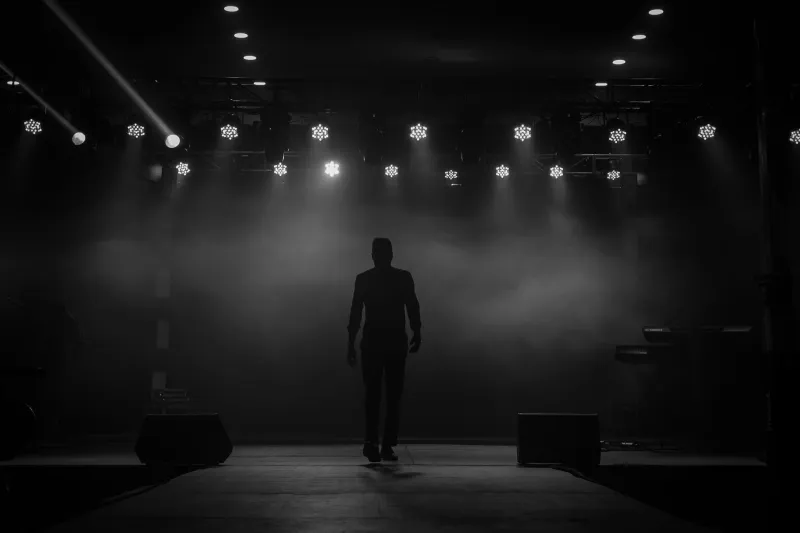
No Deal, No Problem: How Self-Published Authors Are Building Six-Figure Empires One Sold-Out Show at a Time
The rejection letter used to be the end of the story. You'd pour years into a manuscript, send it out into the void, collect a stack of polite-but-firm nos from agents and editors, and eventually either shelve the project or start over. The gatekeepers held the keys, and that was just the deal.
Except a growing number of writers have decided it isn't the deal anymore. They've looked at the traditional publishing pipeline — the years-long timelines, the modest advances, the limited creative control, the royalty rates that make a spreadsheet weep — and chosen a different door entirely.
They're building live performance empires. And some of them are clearing six figures a year doing it.
The Model, Broken Down
Here's the core idea, and it's simpler than it sounds: instead of trying to sell a book through a publisher who will then try to sell it to bookstores who will then try to sell it to readers, these authors are going directly to audiences through ticketed live events.
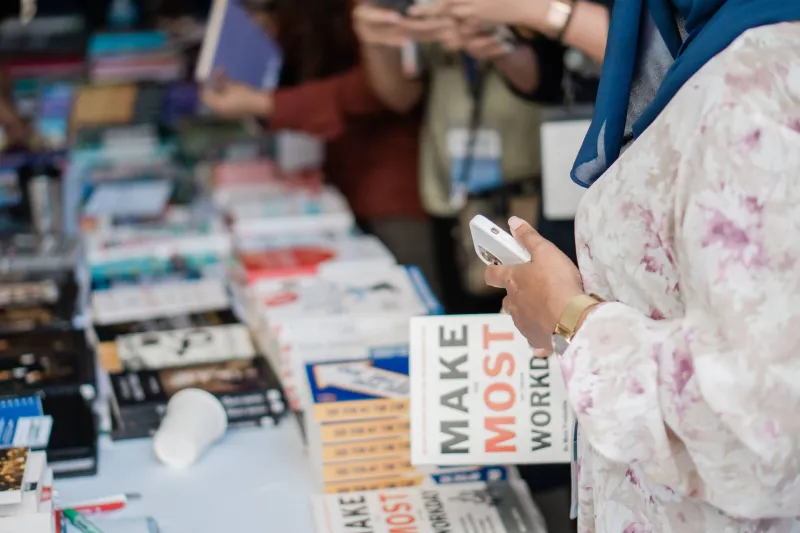
Think theatrical readings that feel like one-person shows. Storytelling performances with full staging and lighting. Workshop weekends where the author teaches their craft in person. Book-and-ticket bundles sold directly through the creator's own website. Merchandise — notebooks, prints, tote bags, signed chapbooks — sold at the merch table after the show.
Each revenue stream is modest on its own. Stack them together across a touring season, and you've got a business.
A spoken word artist and self-published memoirist working the regional touring circuit might sell 120 tickets at $35 each for a single show — that's $4,200 in a night before merchandise. Do that 30 times a year in different cities, add workshop revenue and digital product sales, and you're looking at a genuinely sustainable income that many mid-list traditionally published authors would eye with envy.
Why Now? The Conditions That Made This Possible
This model isn't entirely new — performers have always sold books at shows. What's new is the infrastructure that makes it scalable and the cultural moment that makes it desirable.
On the infrastructure side: platforms like Eventbrite and Squarespace make it straightforward to sell tickets and manage event logistics without a team. Print-on-demand services mean authors can order merchandise in small batches without carrying inventory risk. Email marketing tools let creators build direct relationships with their audiences, bypassing algorithms entirely. And social media — particularly TikTok and Instagram — gives authors a free distribution channel to build an audience before they ever set foot on a stage.
On the cultural side: audiences have developed a real appetite for the live literary experience. The success of events like The Moth, live storytelling nights, and author-driven theatrical productions has demonstrated that people will absolutely pay to watch writers perform their work. The question was always whether individual authors — not just established names — could build that audience themselves.
The answer, increasingly, is yes.
What the Economics Actually Look Like
Let's get into the numbers, because this is where the model gets genuinely compelling.
Traditional publishing economics for a debut author are, to put it kindly, challenging. An advance of $10,000 to $30,000 sounds reasonable until you factor in that you won't see royalties until the book "earns out" — meaning sells enough copies to cover the advance — which a significant percentage of traditionally published books never do. Royalty rates on print books typically run 8 to 15 percent of net revenue. On a $20 book, that's maybe $1.50 to $2 per copy in the author's pocket.
Now compare that to a self-published author selling a $20 book directly at a live event. After printing costs, they might net $12 to $15 per copy. Same book, eight to ten times the per-unit revenue.
The live performance layer compounds this. A $35 ticket to a 90-minute reading/performance is not an outrageous ask — it's cheaper than most concert tickets and roughly comparable to a movie night for two. Audiences who've had a genuine experience at a live event are also dramatically more likely to buy merchandise, sign up for workshops, and become long-term supporters. The conversion rate from live audience member to paying customer for additional offerings is, anecdotally, far higher than any cold digital marketing channel.
Building the Show: Craft Considerations
Here's the part that trips up a lot of writers who are excited about the model but underestimate what it actually requires: performing your work is a distinct skill from writing it.
The authors who are making this work aren't just reading from their books at a podium. They're crafting theatrical experiences — with structure, pacing, emotional arc, and audience engagement built in from the start. They're studying stand-up comedy for timing. They're taking improv classes for presence. They're workshopping their material in front of live audiences the way comedians work out new sets in small clubs before taking them to bigger rooms.
If you're a writer considering this path, treat the performance as a separate creative project that happens to share DNA with your written work. The page version and the stage version of the same story are different animals. Both deserve craft and intention.
Start small: open mics, local storytelling nights, library events. Record yourself. Watch the recordings. It's uncomfortable and it's essential.
The Gatekeeping Question
There's a bigger conversation embedded in all of this, and it's worth naming directly: what does it mean for literary culture when authors no longer need traditional publishers to build viable careers?
Optimists will say it democratizes storytelling — that voices and stories that traditional publishing passed on (often along predictable lines of race, class, and cultural familiarity) can now find their audiences directly. There's real evidence for this. Many of the authors thriving in the live performance model are writers whose work didn't fit neatly into what major publishers thought was commercially viable.
Skeptics will raise legitimate questions about discoverability, quality control, and the long-term sustainability of a model that demands constant touring and self-promotion from the same person who's supposed to be, you know, writing.
Both things can be true. The model isn't a utopia. It's a tool — and like any tool, it works better for some people and some projects than others.
But for the writers who are making it work? The rejection pile isn't the end of the story anymore. It might just be the beginning of a much more interesting one.
Getting Started: Your Next Three Steps
If this model has you thinking, here's how to begin without quitting your day job:
One: Find a local open mic or storytelling night and get on stage with something — anything. The goal isn't to be good yet. The goal is to learn what it feels like to perform your words in front of real humans.
Two: Start building an email list now, even if it's just friends and family. Every person who gives you their email address is a future ticket buyer. Social media followers are borrowed; email subscribers are yours.
Three: Design one small, complete live experience — 45 minutes to an hour — around a theme from your work. Price it accessibly, rent a small space, sell 30 tickets, and see what happens.
The stage is waiting. And unlike a publishing contract, nobody has to give you permission to step onto it.