After the Algorithm Moves On: How Indie Lit Venues Are Surviving the Viral Boom-and-Bust Cycle
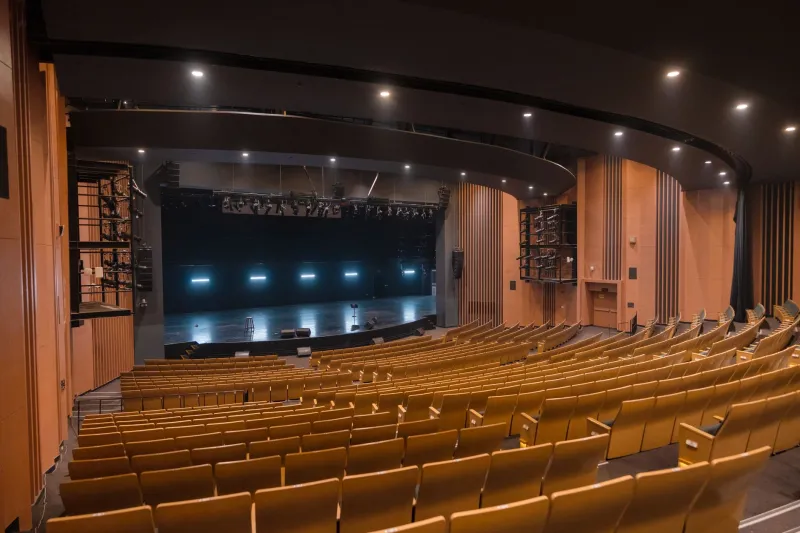
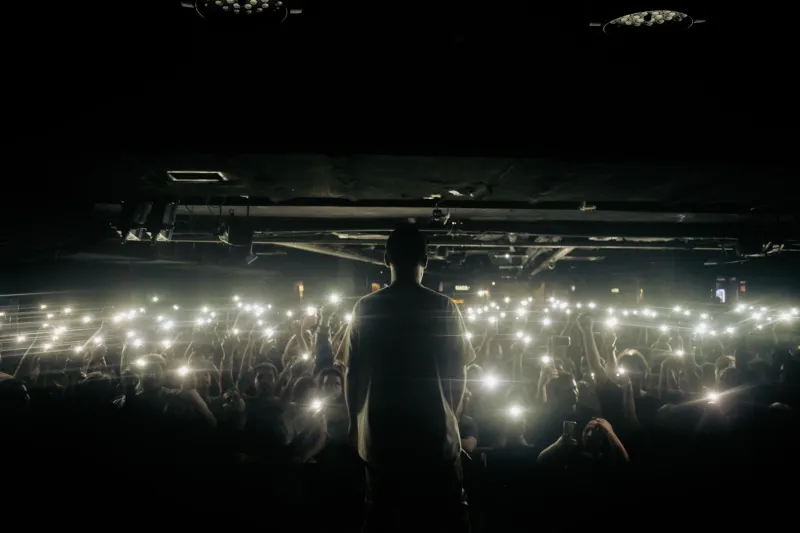
Picture this: a 120-seat black box in Portland books a spoken word showcase. One performer drops a two-minute clip on TikTok mid-week. By Friday, it has 400,000 views. The show sells out in six hours. The venue's Instagram gains 2,000 followers overnight. The owner is fielding press inquiries by Saturday morning.
Then the algorithm exhales. The clip stops circulating. The next show, three weeks later, pulls forty-seven people.
This is the hype hangover — and it's quietly destabilizing some of the most vital independent literary spaces in the country.
The Spike That Doesn't Stick
Viral moments and sustainable venue health are not the same thing, and the live lit world is learning that lesson the hard way. When a performer's clip blows up, the attendance surge that follows is almost entirely composed of curiosity seekers — people who found the venue through an algorithm, not through genuine community investment. They show up once, maybe post a Story, and disappear when the next shiny thing surfaces on their feed.
Meanwhile, the venue has often made real commitments based on that spike: upgraded sound equipment, brought in a bigger headliner for the follow-up show, printed extra merch, hired additional staff. The infrastructure expands to meet demand that was never going to stick around.
"We had the best month we'd ever had in October, then the worst November since we opened," says the co-founder of a Chicago-based literary event series who asked to remain anonymous to protect venue relationships. "We'd made decisions based on October. That was a mistake."
The pattern repeats across cities — Austin, Atlanta, Philadelphia, Seattle. A moment of algorithmic grace followed by a correction that feels, to the people running these spaces, like punishment.
Why the Boom Feels Real (Even When It Isn't)
Part of what makes the hype hangover so disorienting is that the spike genuinely looks like growth. Ticket sales are up. Social metrics are climbing. Local press is sniffing around. Every external signal says the scene is thriving.
But there's a difference between a scene thriving and a scene trending. Trending is a weather event. Thriving is a climate.
The venues that have been around long enough to see multiple cycles describe the viral bump as a kind of beautiful trap. It's hard to resist optimizing for the spike — because in the moment, it feels like everything you've been working toward is finally paying off. The instinct is to double down, scale up, capitalize. And sometimes that works. More often, it leaves venues overextended when the moment passes.
Social platforms aren't designed to care about your Tuesday-night poetry series. They're designed to surface novelty and move on. A venue that builds its entire strategy around chasing that novelty is essentially outsourcing its survival to an entity with zero interest in its survival.
What the Resilient Rooms Are Doing Differently
Here's the good news: some venues have figured out how to catch the wave without getting wiped out by it. The strategies they're using aren't glamorous, but they work.
Memberships and subscription models. A growing number of indie lit venues are launching low-cost monthly membership tiers that give regulars perks — priority seating, small discounts, early access to lineups — in exchange for a predictable revenue baseline. When the algorithm ignores you, those members still show up. Several venues report that even a modest membership base of 80 to 100 people can cover fixed costs during slow months, creating a financial floor that makes the feast-or-famine cycle far less dangerous.
Series over one-offs. Venues that structure their programming as recurring series rather than standalone events build audience habits instead of audience memories. When people know that the third Thursday of every month belongs to a specific show, that show becomes part of their routine. One-off events, no matter how buzzworthy, don't create the same muscle memory.
Performer investment in the room, not just the reel. This one's on the artists, too. When a performer goes viral off a clip from your venue and then immediately takes their next booking to a bigger room across town, the community that made that moment possible gets nothing. Venues are increasingly having frank conversations with performers about what it means to be a good citizen of a local scene — and some are building exclusivity windows into their contracts to ensure that viral momentum benefits the room where it was generated.
Email over everything. Every venue operator interviewed for this piece said the same thing, unprompted: their email list is the only audience they actually own. Social followers are borrowed. Algorithm reach is rented. An email subscriber who opted in to hear about your shows is a real relationship. Venues that prioritize list-building — through sign-up sheets at the door, QR codes in programs, incentives for new subscribers — have a direct line to their community that no platform can take away.
The Performer's Role in Scene Stability
Spoken word artists who are serious about their careers would do well to think about this from a long-game perspective. The venues that host you, champion you, and give you a room to develop your work are not infinitely renewable resources. They close. They burn out. They get priced out of their neighborhoods.
When you have a viral moment, the instinct is to chase the momentum upward — bigger venues, bigger markets, bigger fees. That's not wrong. But abandoning the rooms that built you, or treating local venues purely as content farms for your next clip, has a cost that eventually comes back around.
The most respected figures in the spoken word world — the ones who consistently sell out shows years into their careers — tend to have deep, reciprocal relationships with specific venues. They bring audiences with them. They talk up the room. They come back even when the fee isn't impressive, because they understand that the room is part of their infrastructure.
Glitter Fades. Community Doesn't.
The live lit world has always run on a particular kind of magic — the charge in the air when a performer says something true and the room recognizes it all at once. That magic doesn't live on a For You page. It lives in a specific room, with a specific crowd, built over time by people who keep showing up.
Viral moments are gifts. They're also distractions. The venues and performers who are going to be standing five years from now are the ones treating community like the asset it actually is — not the algorithm, not the spike, not the hype.
The hangover is real. But so is the cure.