Stop Spoiling Your Own Show: The Social Media Trap That's Emptying Seats
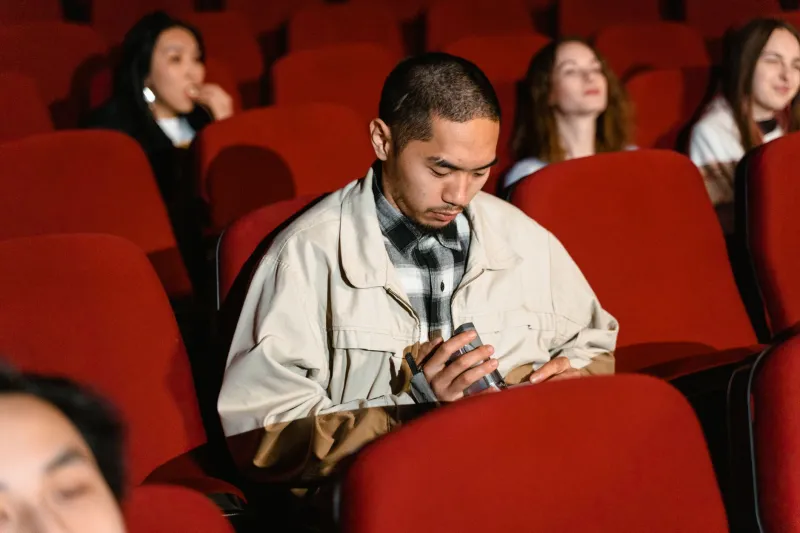
There's a particular kind of heartbreak that happens around 7:45 on a Friday night. The candles are lit, the sound check is done, the bartender is stocked, and the room is — well, it's half-full. Maybe less. The event organizer is refreshing the guest list on their phone, watching confirmed RSVPs fail to materialize into actual human bodies. Meanwhile, somewhere across town, those same people are watching a three-minute Instagram reel of last night's dress rehearsal and double-tapping their way through the experience they could have shown up for.
This is the paradox nobody in live lit wants to talk about: the more aggressively you promote your event on social media, the less reason you give people to actually attend.
The Illusion of Having Been There
Here's what's happening neurologically, and it's not flattering for any of us. When a potential audience member watches a well-edited clip of a spoken word performer delivering their most emotionally devastating verse — complete with crowd reaction, atmospheric lighting, and a perfectly timed audio mix — their brain logs something close to the experience of having witnessed it live. Not identical, obviously. But close enough to scratch the itch.
Psychologists call this "vicarious consumption," and it's the same mechanism that makes people feel like they've visited a restaurant after watching a twenty-second food video. The emotional preview satisfies just enough of the curiosity that motivated the potential ticket purchase in the first place.
"We noticed it first with our Thursday night series," says Marcus Webb, who runs a 120-seat literary venue in Chicago's Logan Square neighborhood. "We started doing these gorgeous behind-the-scenes reels — the performers warming up, the stage getting set, little snippets of the actual pieces. Engagement went through the roof. And then attendance started dropping. It took us three months to connect those two things."
Webb isn't alone. Venue operators from Austin to Brooklyn describe a similar pattern: social content that performs beautifully by platform metrics — high saves, shares, watch-through rates — correlating with softer ticket sales for the events being promoted.
When "Building Buzz" Becomes "Building a Substitute"
The live lit world borrowed its promotional playbook from the music industry, where teaser clips and behind-the-scenes content genuinely do drive concert attendance. But there's a critical difference. A thirty-second clip of a band's new single leaves the listener hungry for the full album, the full set, the full experience. The song is incomplete by design.
A spoken word piece, though? It's often complete in thirty seconds. A perfectly executed two-minute poem can be fully delivered, fully received, and fully felt in a single social media post. There's no bridge section the audience hasn't heard yet. There's no second act they're dying to see. You've given them the whole emotional arc in a format that requires zero planning, zero babysitter coordination, and zero $18 parking.
"I made the mistake of posting the actual poem that was going to close our show," admits Deena Okafor, a lit event producer based in Atlanta. "It hit 40,000 views in two days. I thought we were going to sell out. Instead, the people who shared it the most were the ones who didn't buy tickets. They'd already had their moment with it."
This is the content trap in its purest form: viral reach that doesn't convert because the content itself completed the transaction.
What the Data Actually Suggests
A 2023 survey of independent live performance venues conducted by the National Independent Venue Association found that events with moderate social media promotion — defined as consistent posting without performance content previews — outperformed heavily promoted events in actual attendance by a statistically significant margin. The sweet spot, according to venue operators who participated, involved building atmosphere and identity without revealing the work itself.
Translated into practical terms: post the room, not the performance. Show the audience what it feels like to be there — the crowd energy, the lighting, the communal electricity of a packed house — without handing them a portable version of the art they'd be coming to witness.
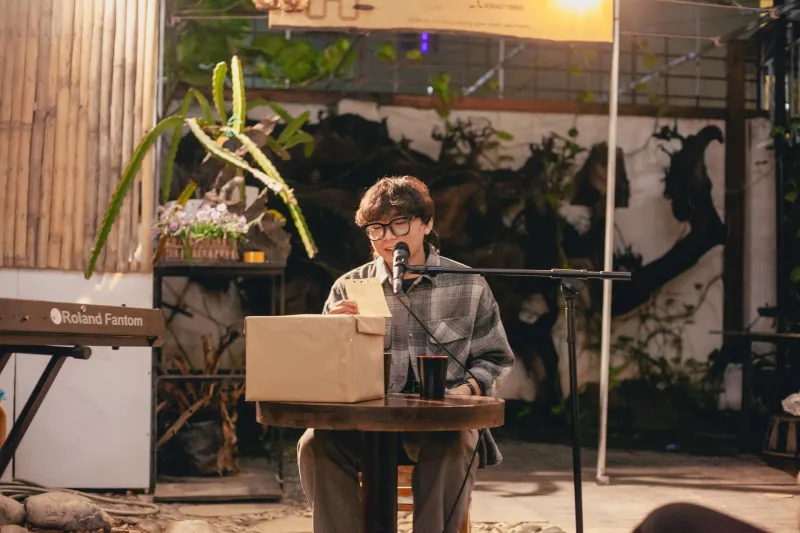
"We shifted to what I call 'room content,'" Webb explains. "Wide shots of the audience laughing. The bar getting crowded. The performer's face right before they go on — that nervous, electric energy. We never post the actual work anymore until after the event. Attendance bounced back within two months."
The Art of Strategic Withholding
There's a concept in theater called the fourth wall, the invisible boundary between performer and audience that makes live experience feel sacred and unrepeatable. Heavy pre-show content doesn't just lower ticket demand — it chips away at that wall before the show even begins. It tells potential audiences that the boundary is permeable, that the live event is just a content delivery mechanism they can access from their couch.
The most successful live lit promoters right now are operating on a different principle: curiosity over access. Instead of giving people a preview of the work, they're generating questions the work will answer. Instead of posting rehearsal clips, they're posting cryptic, atmospheric teasers that raise the stakes without satisfying them.
Think: a performer's handwritten notes, partially obscured. A single line from a piece with no context. A photo of the empty stage, mic lit, waiting. These aren't content pieces that complete an emotional experience — they're invitations that make the live event feel like the only place the story resolves.
"I started thinking about it like a movie trailer that's actually good," says Okafor. "The trailers that make you desperate to see the film don't show you the best scenes. They show you enough to make you feel like you'd be missing something enormous if you stayed home."
The Real Cost of Playing It Safe with Scarcity
None of this means going dark on social media. Silence isn't the answer — strategic mystery is. Audiences need enough stimulation to feel excited, but not so much that the live event becomes optional. The goal is to make your show feel like the only place where something irreplaceable is going to happen, and then protect that feeling fiercely in the weeks leading up to it.
Because here's the thing about live lit that no algorithm has figured out how to replicate: the person in the third row who gasps at exactly the right moment, the collective silence before a piece lands, the way a room of strangers becomes briefly, achingly unified around a single story — that stuff doesn't stream. It doesn't clip. It doesn't save to a highlights reel.
But you have to leave room for people to want it. And right now, a lot of us are accidentally spoiling the ending before anyone's bought a ticket.
Keep something back. The stage is still the most magical screen in the room — but only if people actually show up to see it.